
Knee Pain Treatment in Downtown Vancouver
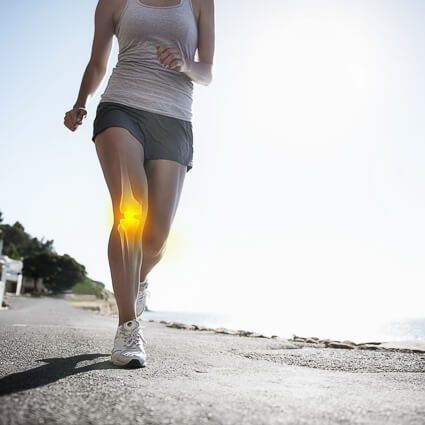 Whether it’s hiking a trail, climbing a flight of stairs, or simply standing up after sitting too long, knee pain can show up right when you need your body to cooperate. At Harbourview Chiropractic & Massage Clinic, Dr. Glen Woodman assesses the knee and the surrounding mechanics because the source of the pain may lie somewhere you wouldn’t expect.
Why the Knee Is Rarely the Only Factor
How the Kinetic Chain Puts Pressure on Your Knees
Several factors above and below the knee may contribute to ongoing pain, including:
- Collapsed foot arches that twist the lower leg and pull the kneecap out of alignment
- Weak glutes that let the thigh bone drift inward under load
- Pelvic imbalance that shifts weight unevenly onto one leg
- Meniscus or ligament injuries from sport
- Patellar tendinopathy affecting the tendon below the kneecap
- Iliotibial band friction along the outside of the knee
Recognizing When the Pain Points Beyond the Knee
Sharp pain along the outer knee, aching after standing or walking, stiffness after rest, and a feeling of instability when you pivot or descend stairs are all common presentations. Because the knee often compensates for movement issues elsewhere, pain can persist even when the joint itself shows little visible damage. If knee pain is limiting how far you can hike, changing how you walk, or hasn’t improved with rest, it’s worth having your gait, hips, spine, and knee professionally assessed.
From Gait Analysis to an Individualized Care Plan
Assessment begins with a detailed postural examination of spinal alignment, pelvic balance, and foot arches, followed by dynamic gait analysis to see how your knees track when you walk and run. Orthopedic and neurological testing checks the integrity of the ligaments, meniscus, and nerves, while a functional movement screen, such as a squat assessment, helps identify how everything works together under load.
Care may include targeted adjustments to the knee, hips, pelvis, and spine, combined with soft tissue therapy to address muscle tension and movement restrictions. When foot mechanics are part of the picture, custom orthotics may be recommended, and modalities such as laser therapy or ultrasound may be incorporated where clinically appropriate. Your care plan may also include exercises, footwear recommendations, and practical movement advice to help reduce unnecessary stress on the knee during daily activities.
Moving More Comfortably Again
David began experiencing knee discomfort while climbing stairs and jogging. When the problem started interfering with activities he enjoyed, a recommendation from his boss led him to visit Dr. Woodman.
Rather than focusing solely on the knee, Dr. Woodman assessed David’s posture, movement, and lower-body mechanics. His individualized care included chiropractic adjustments and soft tissue therapy. David reported less knee discomfort following care and found everyday activities such as climbing stairs and exercising more comfortable again.
Individual experiences and results vary.
Moving With Greater Confidence
Addressing the hips, feet, and spine alongside the knee itself may help improve how forces are distributed through the lower body rather than placing unnecessary stress on the knee. As movement patterns improve, many people find everyday activities become more comfortable. If knee pain is keeping you off the trails or making stairs something to dread, we can help identify the factors contributing to your symptoms and recommend an individualized care plan. Book online or call Harbourview Chiropractic & Massage Clinic to find a time that works for you.
